Whole-Body Wellness for Beginners: 30-Day Habit Plan
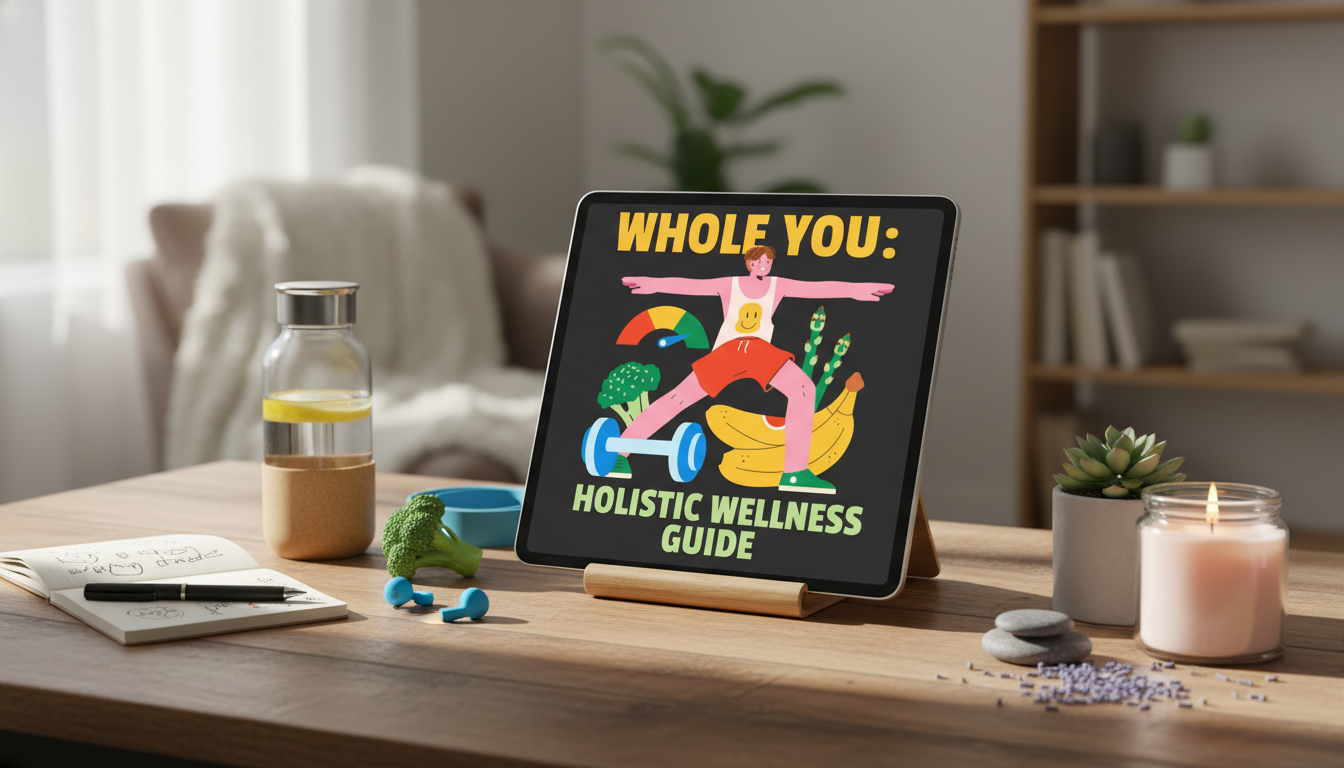
Whole You: A Beginner-Friendly Holistic Wellness Plan for Nutrition, Movement, Mindset, and Self-Care
Holistic wellness connects everyday choices—food, movement, sleep, stress support, and personal routines—into one sustainable system. The goal isn’t to “fix everything” at once. It’s to build steady habits that support energy, mood, and resilience, even when life gets busy.
What “Holistic Wellness” Means (and What It Doesn’t)
Holistic wellness focuses on the whole person: physical health, mental and emotional wellbeing, environment, and daily rhythms. It’s less about a single perfect routine and more about creating a lifestyle that can repeat on normal days.
It also isn’t a quick cleanse, a single supplement, or an all-or-nothing identity. Progress comes from consistent basics: meals that stabilize energy, movement that builds capacity, regulation skills that help you downshift, and self-care that supports recovery.
Four core pillars to balance:
- Nutrition (fuel): the inputs that shape energy, cravings, and recovery.
- Movement (capacity): strength, mobility, and stamina for daily life.
- Mental health (regulation): tools to handle stress and emotional load.
- Self-care (recovery): sleep, boundaries, and routines that restore you.
A practical target is reducing friction so healthy choices become easier than unhealthy ones—especially on your busiest days.
Start With a Simple Baseline: The 7-Day Reset (No Perfection Required)
For seven days, pick one small change per pillar and keep everything else stable. This prevents overload and makes it easier to see what actually helps. Track only two signals: energy (1–10) and stress (1–10).
| Pillar | Option A (Very Easy) | Option B (Moderate) | How to Keep It Sustainable |
|---|---|---|---|
| Nutrition | Add a protein to breakfast | Add a fiber-rich side at lunch | Stock 3 “default meals” for busy days |
| Movement | 10-min walk | 15-min strength basics (squats/pushups/hinge) | Tie it to an existing habit (after coffee, after work) |
| Mental Health | 2-min breathing | 5-min journaling prompt | Schedule it like an appointment |
| Self-Care | Screen-free last 20 min | Consistent bedtime window | Make the “good choice” the easiest choice |
Nutrition baseline tip: add one fruit/veg serving at two meals per day, keeping it convenient (frozen, pre-washed, or canned). Movement baseline: 10–20 minutes of walking or gentle mobility daily. Mental health baseline: two minutes of slow breathing. Self-care baseline: a simple wind-down cue—dim lights, phone away, and a short stretch to support sleep quality.
Nutrition for Beginners: Build Balanced Plates Without Counting Everything
Balanced eating can be simple when you use an easy plate structure: half colorful plants, a palm-sized protein, a fist-sized carb (as needed), plus healthy fats. For visual guidance, USDA MyPlate is a helpful reference point.
- Prioritize protein and fiber to support satiety, steadier energy, and fewer cravings.
- Hydration basics: drink water regularly across the day; consider electrolytes if you sweat heavily or spend time in heat.
- Low-effort upgrades: fruit + yogurt instead of sugary snacks, beans/lentils added to salads, nuts or hummus ready to grab.
- Plan for real life: choose a short list of go-to meals and repeat them; expand variety later.
- Include enjoyable foods intentionally so the plan doesn’t trigger rebound overeating.
Movement for Energy and Longevity: A Gentle Progression
A sustainable weekly blend includes easy cardio (walking), strength basics (full-body), and mobility (joints and posture). The CDC physical activity basics can help with realistic starting targets, but your best plan is the one you can repeat.
Beginner strength focus: hinge (deadlift pattern), squat, push, pull, and carry. Start with bodyweight or light resistance, and keep sessions short enough that you finish feeling capable—not crushed.
- Progress rule: increase only one variable at a time (minutes, days/week, resistance, or intensity).
- Recovery counts as training: sleep, light activity, and rest days help improvements stick.
- Minimums: if motivation is low, five minutes still counts—momentum often follows action.
Mental Health and Stress Support: Daily Regulation Skills
Stress isn’t only mental; it’s physiological. Supporting the nervous system with small downshifts can improve focus, mood recovery, and decision-making. The World Health Organization emphasizes the importance of mental health support as part of overall wellbeing.
Try fast tools (1–3 minutes): longer exhales than inhales, box breathing, grounding through the senses (5-4-3-2-1), or a short sunlight break. For emotional resilience, name the feeling and the need, then choose one next step: water, food, a brief walk, a boundary, or rest.
To reduce cognitive clutter, write a daily top-3 priorities list and offload everything else into a “parking lot” note. If symptoms are persistent or impair daily functioning, professional support is the right next step—self-guided tools can help, but they’re not a substitute for care.
Self-Care That Actually Works: Routines, Boundaries, and Recovery
Effective self-care is maintenance: sleep hygiene, meals, movement, relationships, and time boundaries. It’s less about occasional “treat” moments and more about daily systems that prevent burnout.
Putting It Together: A Simple 30-Day Whole-Person Rhythm
Helpful digital guides and tools
- Whole You: Holistic Wellness Guide | Beginner Wellness Ebook | Digital Download on Nutrition, Exercise, Mental Health & Self-Care
- A Guide to Healing from Career Burnout – How to Heal from Career Burnout eBook for Professionals, Burnout Recovery Guide, Career Reset & Emotional Resilience
- Daily Affirmations for Abundant Wealth | Audio Course | Money Mindset & Prosperity | Abundance Manifestation
FAQ
What should a beginner focus on first for holistic wellness?
Start with one small habit in each pillar—nutrition, movement, mental health, and self-care—then build gradually once consistency feels easier.
How much exercise is enough when starting out?
A daily walk plus 2–3 short strength sessions per week is a strong starting point; increase slowly based on recovery and schedule.
Can self-care improve energy and mood even without big lifestyle changes?
Yes—sleep routines, hydration, short stress-regulation practices, and simple boundaries can noticeably improve daily energy and emotional resilience.











Leave a comment