Toddler Nightmares: 10-Min Rescue Routine + 7-Night Reset

What to Do When Your Toddler Has Nightmares: Calm, Comfort, and a Bedtime Plan That Sticks
Nightmares can turn bedtime into a nightly battle—for toddlers and exhausted parents. A steady, predictable response helps kids feel safe, lowers repeat wake-ups, and rebuilds confidence in sleep. Below is a practical, step-by-step approach for what to do in the moment, how to adjust bedtime routines, and when to get extra support.
Nightmares vs. night terrors: why the difference matters
Not all “scary wake-ups” are the same, and responding the right way can prevent a rough night from snowballing.
- Nightmares usually happen in the second half of the night. Toddlers often wake fully, seek comfort, and may remember pieces of the dream.
- Night terrors often happen earlier in the night. A child may scream, look awake, and be hard to console—but they’re not fully awake and typically won’t remember it.
- The response that works for nightmares (comfort + reassurance) can accidentally escalate night terrors (too much talking, lights, and engagement).
- If episodes are frequent, intense, or include risky behaviors (running, climbing), it’s worth discussing with a pediatrician.
For medical background and examples, see the American Academy of Pediatrics guidance at HealthyChildren.org.
The 10-minute “nightmare rescue” routine (what to do right then)
When your toddler wakes frightened, the goal is quick safety, quick calm, and a predictable return to bed. Think: low light, low words, same steps every time.
- Pause, breathe, and keep the room dim. Bright lights and lots of talking can fully wake your toddler and prolong the upset.
- Get on their level and validate. Try: “That was scary. You’re safe. I’m here.” Avoid long explanations while they’re panicky.
- Offer a simple choice to restore control. “Do you want a hug or to hold your blanket?” Choices reduce power struggles.
- Use a grounding cue. Have them feel your hand, take 3 slow breaths together, or name one safe thing in the room.
- Do a quick reset and return to bed. Tuck in, repeat a short phrase (example: “Safe body, sleepy eyes”), then step back.
- If they ask to leave the room, keep it boring. A brief bathroom/water trip is fine—then back to bed, no extra play or chatting.
What to say (and what to avoid) after a nightmare
| Try this | Instead of this | Why it helps |
|---|---|---|
| “You’re safe. I’m right here.” | “There’s nothing to be afraid of.” | Validates feelings and lowers alarm. |
| “That was a scary dream.” | “It wasn’t real—stop crying.” | Names the experience without shame. |
| “Let’s take 3 slow breaths.” | “Calm down right now.” | Gives a tool, not a demand. |
| “Do you want a hug or your stuffed animal?” | “Go back to sleep.” | Restores a sense of control. |
| “I’ll check on you in 5 minutes.” | Staying in bed indefinitely | Builds confidence and reduces dependence. |
Common triggers and how to adjust the day (without blaming the child)
Nightmares often spike during normal developmental leaps. The best approach is curiosity: “What changed lately?” rather than “What’s wrong?”
- Overtiredness is a major driver. Bedtime too late, a missed nap, or an inconsistent schedule can increase nightmares.
- Scary media sneaks in easily. Even “kid” shows, older siblings’ content, or loud news in the background can spill into dreams.
- Big feelings show up at night. Daycare changes, potty training pressure, separation anxiety, a new sibling, travel, or illness can all echo in sleep.
- Food and timing. Heavy meals right before bed—or too much sugar/caffeine (including some chocolate)—may worsen sleep for some kids.
- Track patterns for 7 days. Note bedtime, wake-ups, nap length, screen exposure, and major stressors to find repeatable triggers.
For more general coping and sleep context, the Sleep Foundation has an accessible overview on nightmares and strategies that support healthier sleep.
Bedtime solutions that reduce repeat nightmares
The most effective bedtime plans are short, repeatable, and “boring in a good way.” Predictability is calming to a toddler’s nervous system.
Comforting tips that build independence (not dependency)
Recommended guides (digital) to support calmer nights
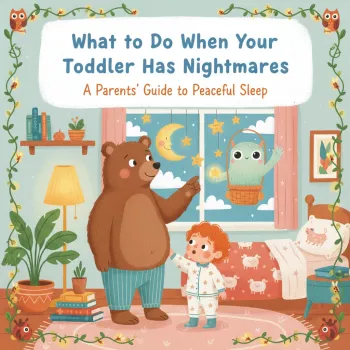
- What to Do When Your Toddler Has Nightmares | Ebook Guide for Parents | Practical Comforting Tips & Bedtime Solutions
- A Guide to Healing from Career Burnout – How to Heal from Career Burnout eBook for Professionals, Burnout Recovery Guide, Career Reset & Emotional Resilience
When to get extra support
For broader bedtime guidance and routines, the NHS sleep tips can also be helpful: NHS — helping your child go to sleep.
A simple 7-night reset plan
FAQ
How long do toddler nightmares usually last?
Many toddlers have occasional nightmares that come and go with development, stress, or overtiredness. If they’re happening often for weeks, tighten bedtime timing, keep routines calming, and ask a pediatrician about persistent patterns.
Should a toddler sleep in a parent’s bed after a nightmare?
If it’s rare, short-term flexibility can be fine. If it becomes frequent, it often increases repeat wake-ups, so aim for comforting in their room and a predictable return-to-bed plan.
What if my toddler keeps talking about the scary dream the next day?
Acknowledge the feelings briefly, then shift to empowerment: draw a silly ending, pick a brave bedtime phrase, or choose a comfort object. Avoid long rehashing that keeps the fear feeling “active.”











Leave a comment