Empowered Budgeting Toolkit: Plan, Track, Save, Repeat

The Empowered Budgeting Toolkit: A 4-in-1 System for Monthly Clarity, Savings Momentum, and Wealth Habits
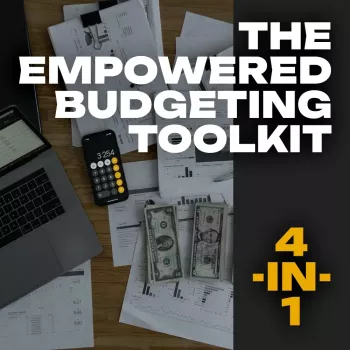
The Empowered Budgeting Toolkit is a 4-in-1 bundle designed to turn scattered money decisions into a repeatable monthly system. It combines a budget planner, an Excel-based tracking guide, practical savings and wealth strategies, and guided affirmations aimed at building consistency, confidence, and better follow-through.
Instead of trying to “fix everything” at once, this toolkit helps create a simple loop: plan the month, track what happens, adjust weekly, and finish with a review that makes the next month easier. The result is less second-guessing, fewer surprise shortfalls, and more deliberate progress toward savings and long-term goals.
What the Toolkit Helps Improve
- Visibility: understand where money is going without guessing
- Control: set spending limits that match real life, not ideal life
- Consistency: use a monthly routine that is easy to repeat
- Progress: shift from “tracking” to “acting” with weekly check-ins and simple rules
- Mindset: reinforce long-term behavior change with structured affirmations
What’s Included in the 4-in-1 Bundle
The bundle is built to cover both the numbers and the follow-through that makes budgeting actually work:
- Budget planner components for mapping income, bills, variable spending, and sinking funds
- Excel guide for structured expense tracking, categorization, and month-over-month comparisons
- Savings and wealth strategy prompts to prioritize emergency funds, debt payoff, and investing goals
- Guided affirmations for wealth to support motivation and reduce self-sabotage patterns around money
Bundle Components and Best Use Cases
| Component | Best for | When to use | Outcome to track |
|---|---|---|---|
| Monthly budget planner | Creating a realistic plan before the month starts | Monthly setup day | Planned vs. actual totals |
| Excel expense guide | Capturing spending patterns and categories | Daily or 2–3 times weekly | Category trends and leaks |
| Savings & wealth strategies | Turning surplus into priorities | After the first full month of tracking | Savings rate, debt balance, investing consistency |
| Guided affirmations for wealth | Improving follow-through and confidence | Daily (morning or commute) | Habit streaks and reduced impulse spending |
Quick Start: Set Up in 30–60 Minutes
- Step 1: Choose one primary method for the month (planner-first or Excel-first) to avoid double-work.
- Step 2: List fixed bills and due dates first, then set minimum targets for savings and essentials.
- Step 3: Create 5–10 spending categories that match real transactions (groceries, fuel, dining, subscriptions, kids, etc.).
- Step 4: Set a weekly “money check-in” time (15 minutes) for adjustments before small issues become big ones.
- Step 5: Pick 1–2 wealth strategies to focus on for the first month (example: build a $1,000 starter emergency fund + cancel one unused subscription).
If take-home pay feels inconsistent, it may help to double-check withholding so the numbers you plan with match reality. The IRS Tax Withholding Estimator is a straightforward way to sanity-check that part of your cash flow.
A Simple Monthly Routine That Sticks
- Monthly setup (30 minutes): set targets, schedule bill dates, decide savings priority, and plan for irregular expenses.
- Weekly check-in (15 minutes): reconcile recent transactions, adjust category limits, and decide one action for the next 7 days.
- Mid-month reset (20 minutes): review overspending categories, choose swaps (cheaper grocery list, fewer delivery orders), and protect savings first.
- Month-end review (30 minutes): identify top 3 categories, note what worked, and set one improvement rule for next month (example: “Dining out is planned, not spontaneous.”).
For extra support building a cash-flow routine, the Consumer Financial Protection Bureau (CFPB) budgeting resources offer practical guidance that pairs well with monthly planning and weekly check-ins.
How the Excel Guide Can Make Tracking Easier
- Creates a single source of truth for spending and income
- Improves categorization so the budget reflects reality (not vague buckets)
- Supports month-over-month comparison to see whether changes are working
- Helps spot “quiet leaks” like subscriptions, fees, and frequent small purchases
- Encourages proactive choices by showing remaining amounts per category before spending
A useful mindset shift: tracking isn’t a report card—it’s a map. When the map is clear, the “next best move” becomes easier to choose, especially during weeks when life gets busy.
Savings and Wealth Strategies to Pair With the Toolkit
To reduce common money pitfalls (like fee traps, impulse offers, or misleading “trial” charges), it also helps to keep a quick reference list of best practices from the Federal Trade Commission (FTC) consumer guidance.
Using Guided Affirmations for Wealth Without Skipping the Practical Work
Who This Toolkit Fits Best
Common Sticking Points and Simple Fixes
Shop the Tools (In Stock)
- The Empowered Budgeting Toolkit | 4-in-1 Bundle| Budget Planner & Excel Guide| Monthly Expense Savings, Wealth Strategies & Guided Affirmations for Wealth
- Daily Affirmations for Abundant Wealth | Audio Course | Money Mindset & Prosperity | Abundance Manifestation
Value Checklist Before Buying
FAQ
Is this better for beginners or experienced budgeters?
Works for both: beginners can start with simple categories and weekly check-ins, while experienced budgeters can use the Excel structure and wealth strategy prompts to refine savings rates, sinking funds, and long-term goals.
How much time does it take each week to maintain?
Plan for about 15 minutes per week for a check-in plus 30–60 minutes once a month for setup and review. Tracking can be daily or 2–3 times weekly depending on preference.
Do guided affirmations replace budgeting discipline?
No. They’re best used as a consistency tool that supports real behavior—tracking, planning, and intentional spending—rather than a substitute for the practical work.










Leave a comment