Educational Storybook PDF: Imaginative Lessons for Kids
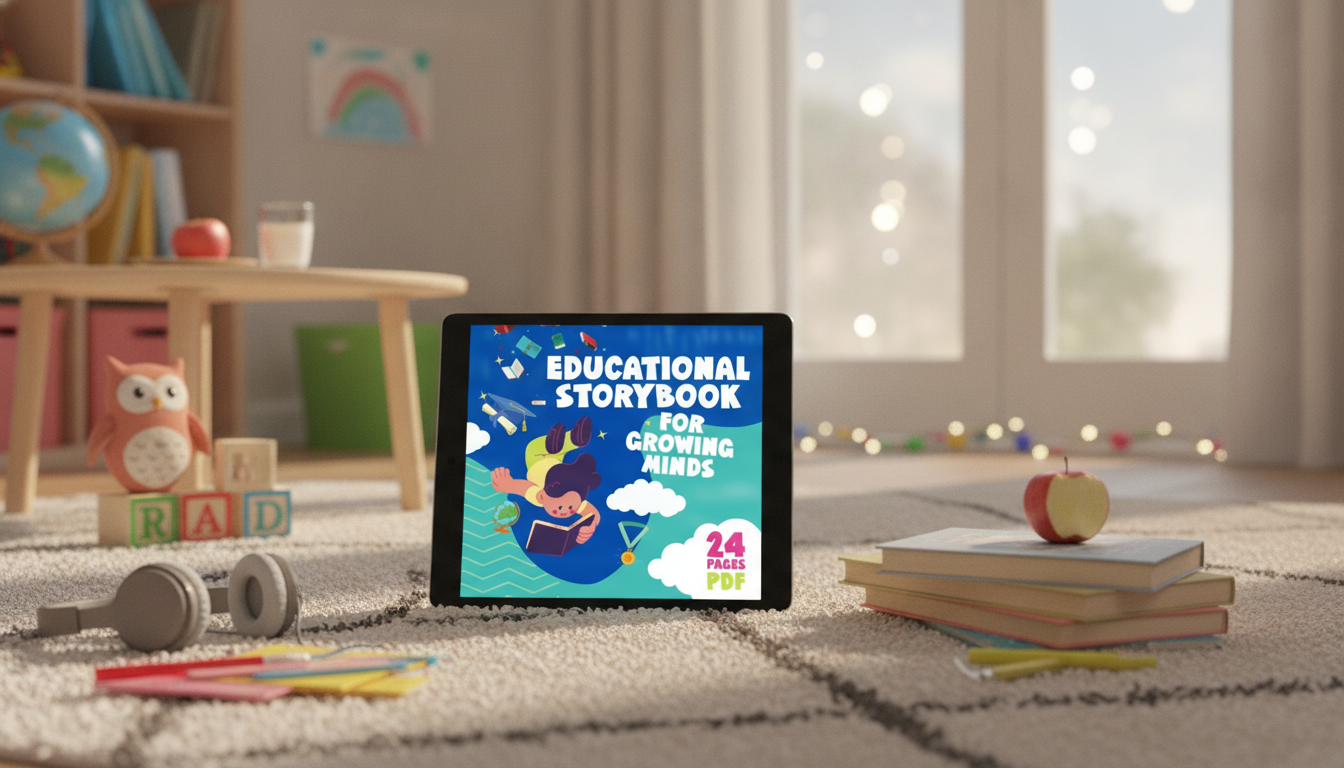
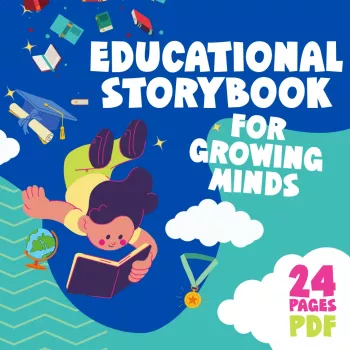
Educational Storybook for Growing Minds: Imaginative Tales with Meaningful Lessons (Digital PDF)
A printable, screen-ready story collection designed to keep kids engaged while gently reinforcing positive habits, empathy, and problem-solving. This digital download makes it easy to read together at bedtime, use for quiet time, or add to a classroom reading corner—without waiting for shipping. For more guidance, see Parent–child shared book reading challenges and facilitators – PMC.
If you want a simple, repeatable way to support reading routines and character growth, Educational Storybook for Growing Minds (Digital PDF) is built for quick read-alouds and easy “talk-about-it” moments that don’t feel like a lecture. For further reading, see Free Children’s Books – Stories, ebooks, textbooks, and much more.
What this story collection is
- A kids-friendly eBook in PDF format featuring imaginative, lesson-centered stories
- Built for repeated reading: short, memorable plots that encourage discussion and reflection
- Useful for home learning, bedtime reading, tutoring sessions, and classroom enrichment
- Digital download delivery for immediate access on common devices and easy printing
Because the stories are designed to be revisited, children get the comfort of familiar characters while practicing new language for feelings, choices, and “what could I try next time?” That repetition is often where the real learning sticks—especially when the same situation comes up in everyday life.
Learning themes woven into the stories
- Character growth: choices, consequences, and making things right after mistakes
- Social-emotional learning: empathy, sharing, patience, and respectful communication
- Curiosity and creativity: imaginative settings that spark questions and storytelling skills
- Everyday problem-solving: trying again, asking for help, and thinking through options
- Gentle values practice: kindness, responsibility, honesty, and perseverance
These themes align well with what many families and educators already aim to build during early childhood and elementary years: steady routines, emotional vocabulary, and practical strategies for handling frustration. For extra guidance on supporting early literacy at home, the American Academy of Pediatrics offers family-friendly reading tips here: AAP: Reading and literacy tips for young children.
For social-emotional growth, everyday conversations after a story can reinforce skills that develop over time. The CDC’s developmental resources are a helpful reference point: CDC: Social and emotional development (milestones).
Quick guide: Where it fits best (home or classroom)
- Bedtime routine: a calm way to close the day and talk about feelings and choices
- Morning warm-up: a short read-aloud to set a positive tone and build listening skills
- Quiet time: independent reading or parent-assisted reading on a tablet
- Small group circle time: discussion prompts can be created from key moments in each story
- Family reading: siblings can take turns reading pages to build confidence
One of the biggest advantages of a lesson-centered story is how naturally it supports conversation. Instead of “What’s the moral?” you can ask a more kid-friendly question like “What part felt tricky?” or “What helped the character fix it?” Those small, consistent prompts build comprehension and reflection without turning storytime into a worksheet.
Digital download details that matter
- Format: PDF for broad compatibility across devices and operating systems
- Convenience: store on a phone/tablet for travel, waiting rooms, or on-the-go learning
- Printing option: print select pages or the full collection for a physical read-through
- Reusability: revisit favorite stories to reinforce the same lesson in different situations
For busy households, instant access can remove common friction points: no waiting for delivery, no last-minute scramble for something to read, and no disappointment if a library favorite is checked out. If your family prefers screen-free routines at night, printing a few stories for a bedside binder can keep the experience tactile while still enjoying digital convenience.
How to turn one story into a mini-lesson (without making it feel like homework)
- Before reading: ask one prediction question (“What do you think will happen?”) to build engagement
- During reading: pause once to name an emotion or a choice the character makes
- After reading: use a simple reflection prompt (“What would you do next time?”)
- Keep it light: one takeaway is enough—avoid over-explaining and let kids connect the dots
- Extend playfully: draw a scene, act out the ending, or invent an alternate solution
At-a-glance comparison: digital PDF vs other reading options
| Option | Best for | What to consider |
|---|---|---|
| Digital PDF (this collection) | Instant access, travel, quick read-alouds, selective printing | Screen time boundaries; printing costs if you want a physical copy |
| Printed storybooks | Tactile reading, gifting, screen-free routines | Shipping time, storage space, limited portability |
| Library books | Variety and exploration across genres | Return deadlines; favorites may not always be available |
| Audiobooks | Listening practice, car rides, calming transitions | Less focus on print tracking and page-by-page reading |
Who this is a great fit for
Pair it with simple study habits for stronger learning routines
If you’d like a ready-to-use structure for focus, follow-through, and simple checklists, pair storytime with Study Skills Mastery Guide (digital study guide and checklist). A consistent routine (even a short one) helps kids know what to expect—and that predictability can make reading feel easier and more rewarding.
Product details and access
FAQ
Is this a physical book or a digital download?
This is a digital download in PDF format. You can read it on common devices and choose to print it if you’d like an offline copy.
Can the PDF be printed for offline reading?
Yes, printing is an option. Many families print selected stories for a binder, while others print the full collection for a traditional book-style read-through.
What age range is this story collection suitable for?
It works well as a read-aloud for younger kids and for early independent reading as kids gain confidence. Exact fit depends on your child’s reading level and how much discussion you choose to add.










Leave a comment